


Defending critical infrastructure and sensitive areas in modern theaters of operation faces a structural constraint: the technology environment evolves faster than traditional acquisition cycles. Sensors, drones, jamming, GNSS denial, and electromagnetic disruptions continuously shift observation conditions and deployment assumptions.
In this setting, effective solutions are those that can be updated quickly, run with frugal perception chains, and remain compatible with “OEM-free” architectures—reducing hardware dependencies and limiting vulnerability surfaces.
Computer Vision in defense: passive perception and alerting
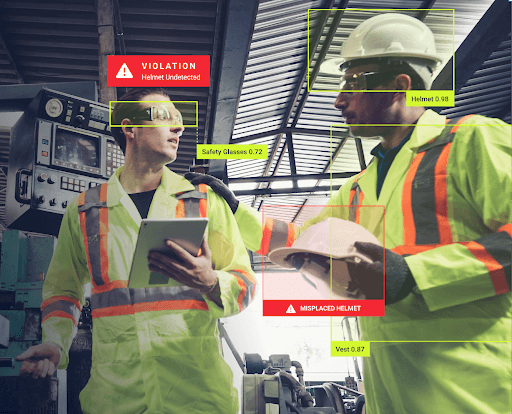
Computer vision can turn existing sensors (cameras, embedded systems, edge compute) into perception and alerting capabilities, with minimal electromagnetic signature (passive sensors, no emission). To be truly deployable, a pipeline must hold in real conditions, produce readable metrics, and fit a credible path to industrialization.
ARCY × European Defense Tech Hub (EDTH) — Hackathon
That is exactly the point of short, intensive formats like defense hackathons: reduce uncertainty in a few days, force strict scoping, and deliver a visible outcome.
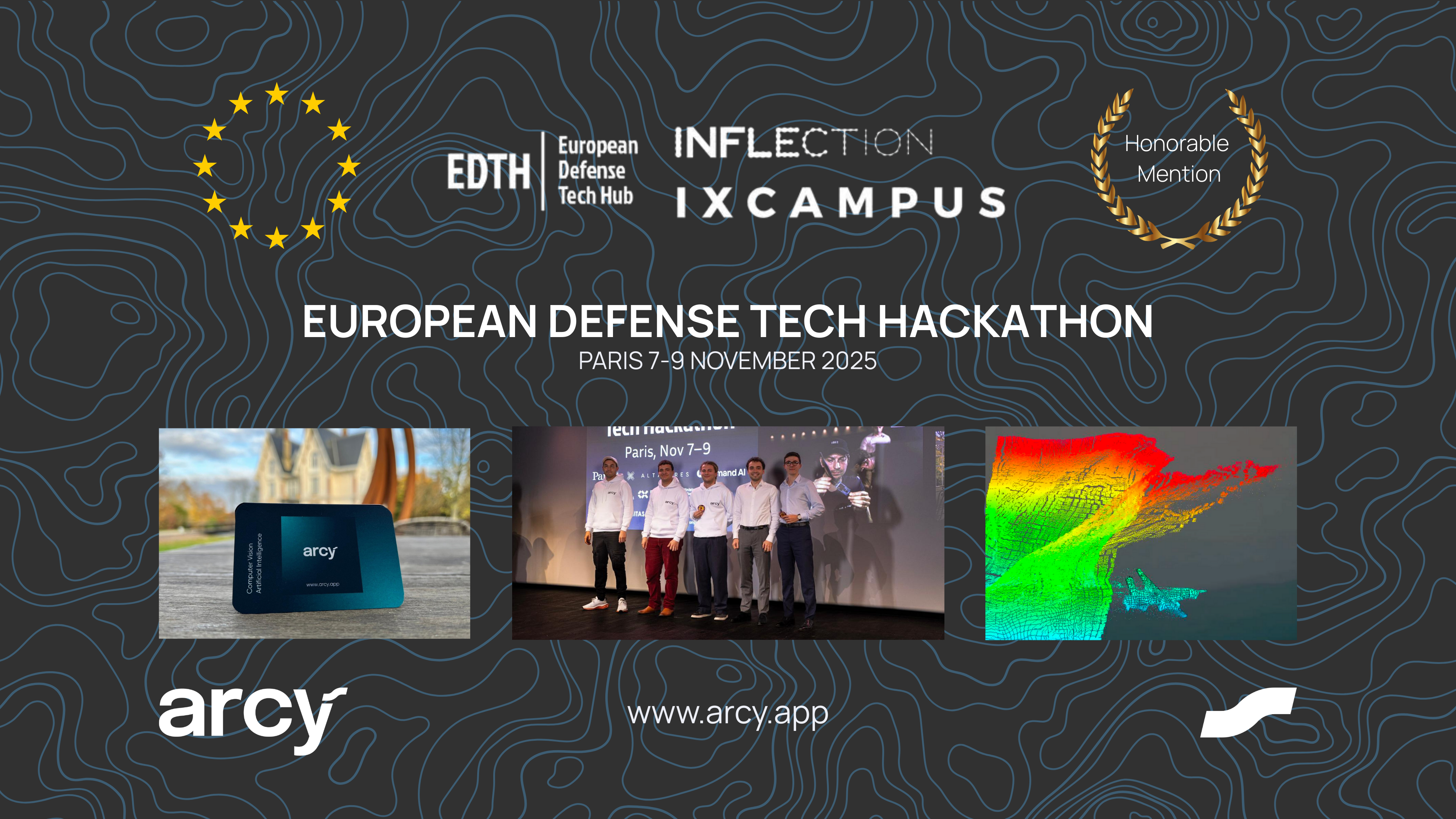
In this context, ARCY participated in the hackathon organized by the European Defense Tech Hub (EDTH), hosted at iXcampus. The framework was deliberately constrained: define the need, prototype a pipeline, test, and present a readable demonstration—without relying on heavy industrial setups.
Without disclosing the project or sensitive operational parameters, this feedback highlights two technical choices that are particularly helpful to deliver fast in defense contexts: point tracking (robust temporal tracking) and synthetic data (accelerating training and validation loops).
Building block 1 — Point tracking: stabilizing information over time
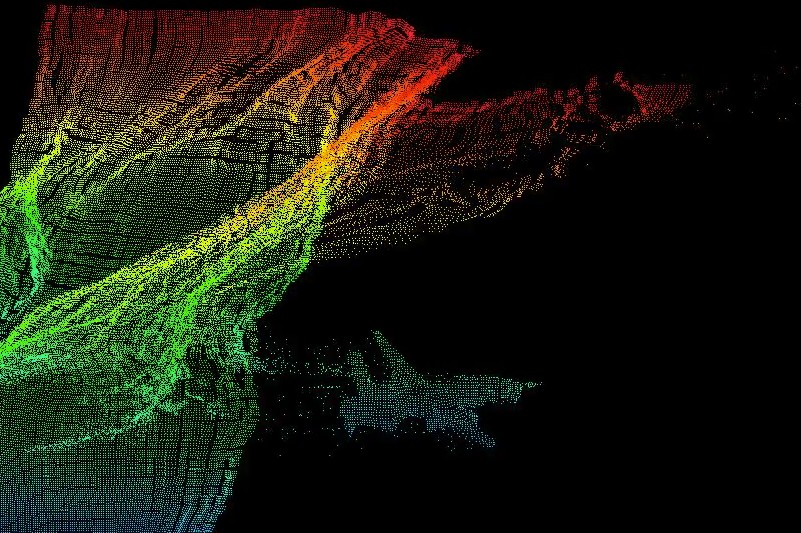
Point tracking maintains temporal continuity by following salient points from one frame to the next. In practice, it improves signal stability and makes a demonstration easier to read: instead of intermittent perception, you get trajectories and time-consistent behavior closer to operational needs.
For systems deployed in disrupted environments, this continuity is as much a business property as a technical one: it reduces perceived uncertainty, simplifies evaluation by decision makers, and prepares production controls (loss/reacquire, confidence thresholds, revalidation).
Building block 2 — Synthetic data: faster iteration and validation
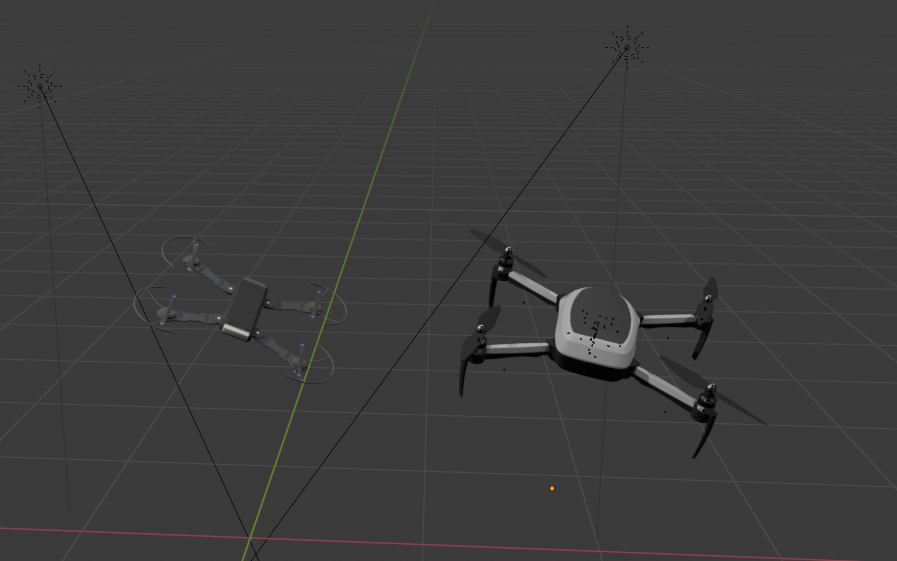
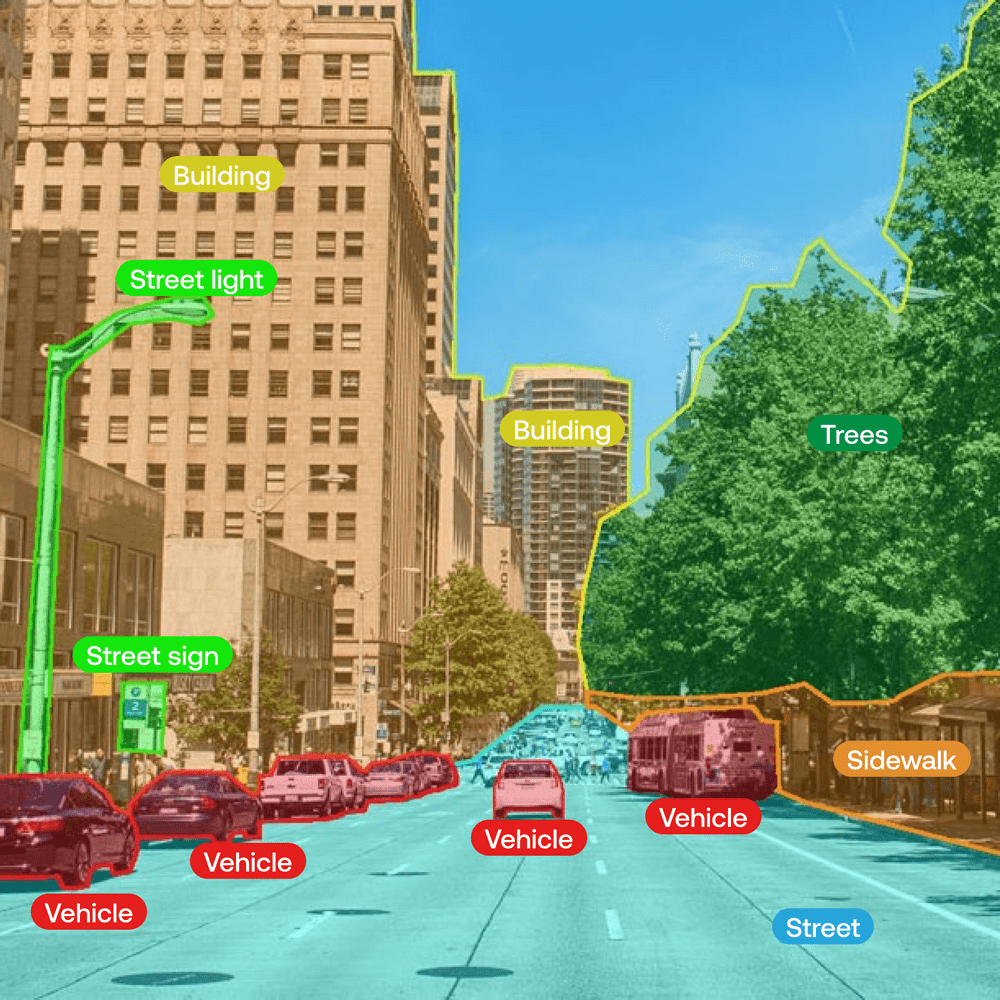
In parallel, synthetic data addresses a structural limitation: the scarcity and cost of annotated real-world data—often amplified in defense and security. 3D environments and controlled image generation help start a pipeline earlier, cover variations (angles, distances, backgrounds, lighting), and structure targeted tests.
The goal is not to replace reality, but to accelerate iterations, reduce “data debt”, and obtain a reproducible validation protocol. In our case, discussions with Synteza concretely illustrated how synthetic approaches can support a fast cycle compatible with operational constraints.
Video: ARCY overview (general reference).
Conclusion
Beyond a short event, these two building blocks outline a scale-up logic: temporal continuity (tracking) increases actionable robustness, while synthetic data accelerates learning and coverage of variability. Together, they reduce the time from idea to proof of value and production trajectory, which is decisive when adapting to a fast-moving technological environment.
The ARCY project presented during the hackathon received an honorable mention. présenté lors du hackathon a reçu une mention honorable.